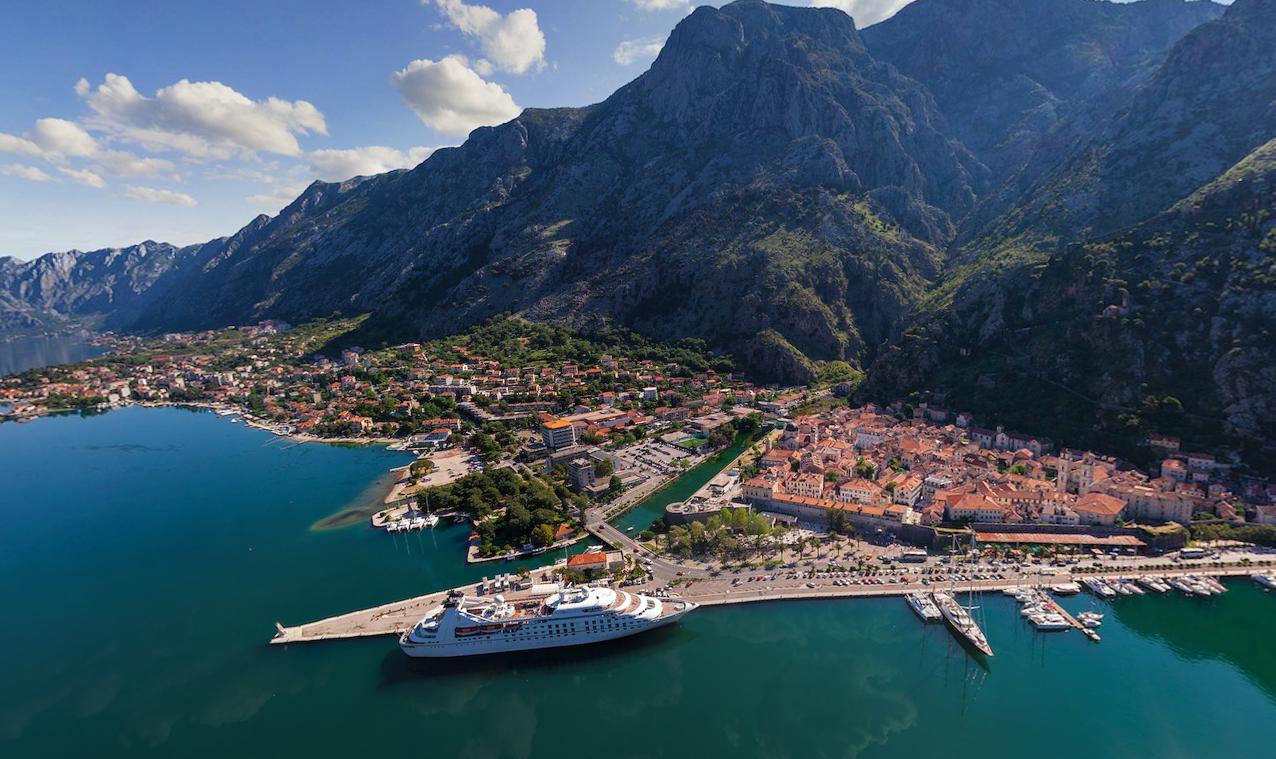
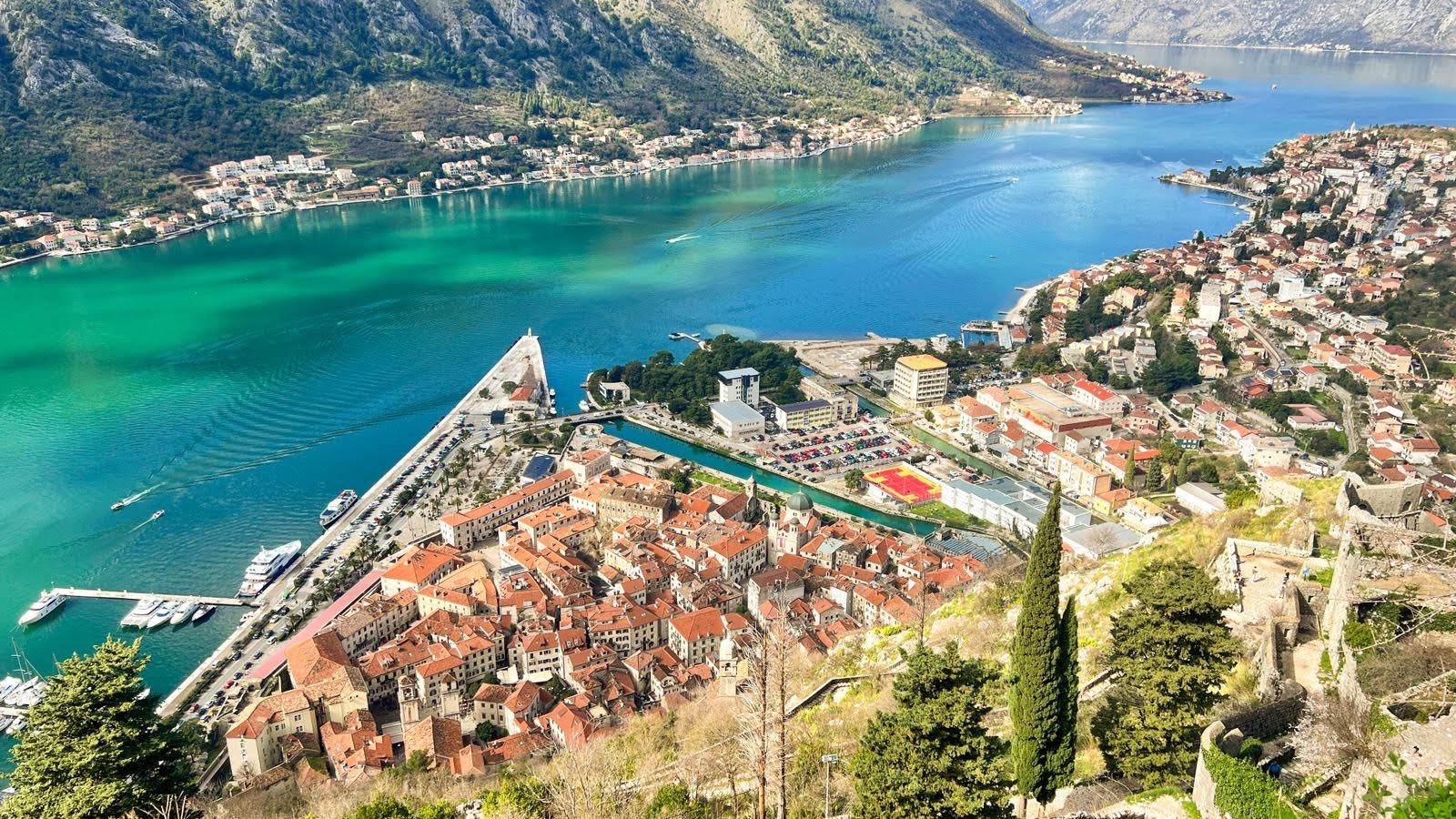
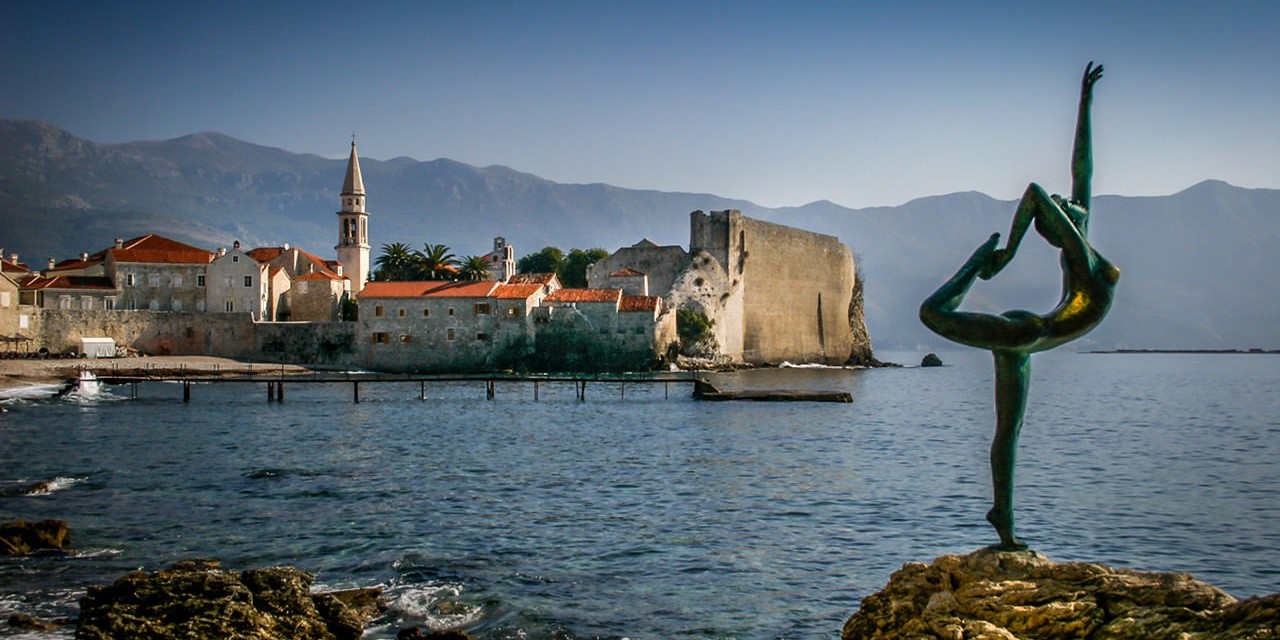
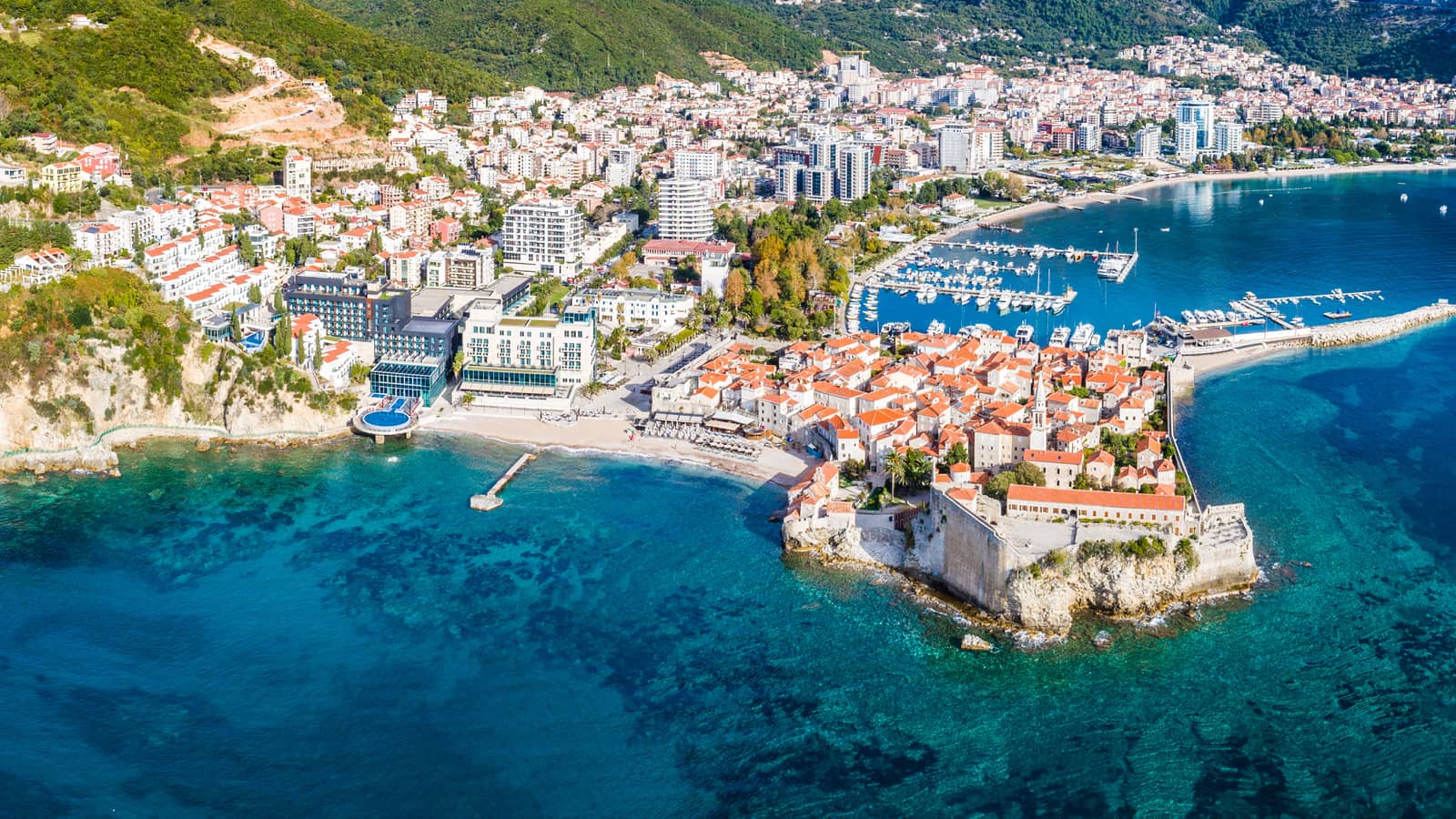
By the 2nd century B.C. people were already talking about Kotor. Over the centuries, not only the fascination with this place grew bigger, but the town itself grew to become the biggest and most famous of Montenegro.
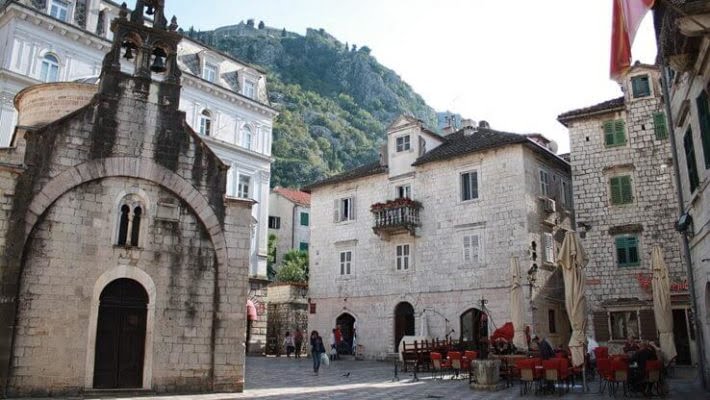
During the month I stayed in Kotor I spent several days getting lost in the narrow, cobblestone pedestrian streets of the Old Town. Inside the impressive walls encircling Old Town Kotor -a UNESCO World Heritage Site- I found lovely squares, stately residences, and several churches (some are now museums), each with unique things to see.
Towards the bottom of the post you’ll find a map that includes all the interesting spots I list here.
Disclosure: This post contains some affiliate links. If you make a purchase through those links I will earn a commission at no additional cost to you (zero, nada). To check the full disclaimer, click here.
This is what to do and see in Old Town Kotor
Table of Contents
The Kotor Gates
The Sea Gate (Main)
The River Gate (North Gate)
The Gurdić Gate (South Gate)
Hike the Kotor City Walls
St. Tryphon’s Cathedral and Sacral Art Museum
St. Nicholas’ Church
St. Luke’s Church
St. Mary’s Collegiate Church at the Square of Wood (Trg od Drva)
St. Paul’s Church
Lapidarium Museum at St. Michael’s Church
Franciscan Church of St. Claire
The Maritime Museum (at the Grgurina Palace)
The Gallery of Solidarity (at the Pima Palace)
The Palaces
Drago Palace
Grubonja Palace
Beskuća Palace
Try Marshall’s Gelato
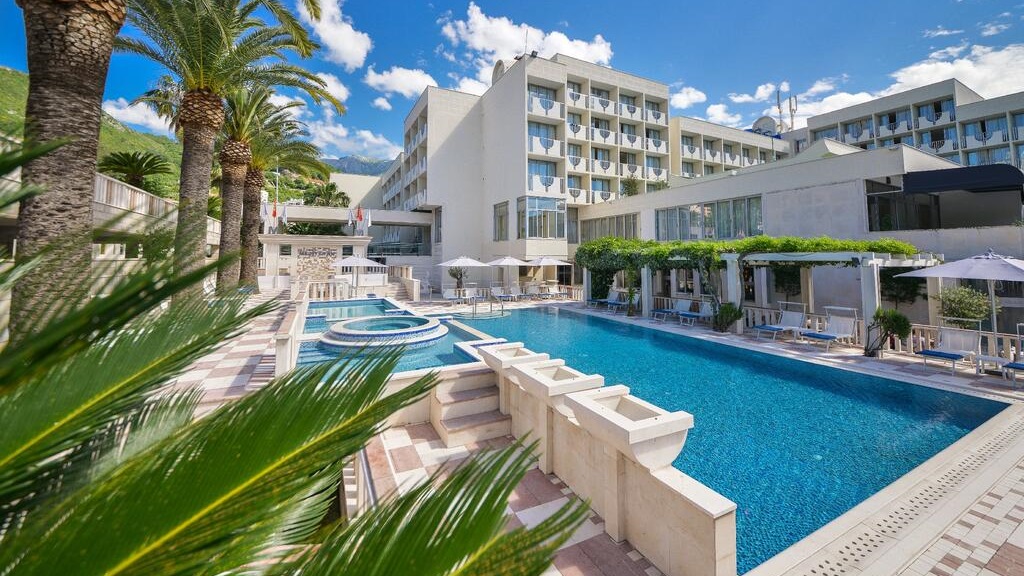
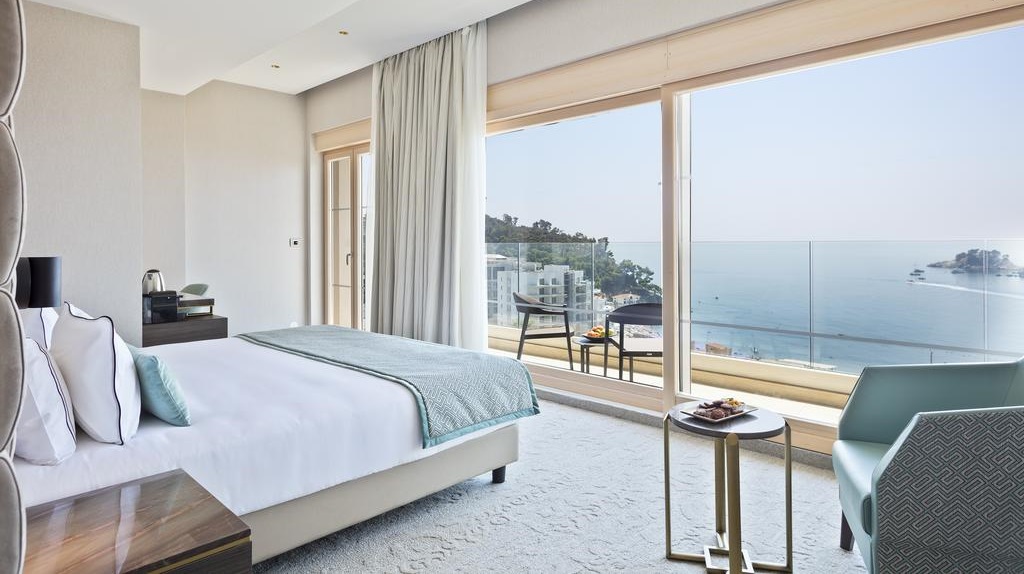
Where to Stay in Old Town Kotor
Best Time to Visit Old Town Kotor
How to Get to Old Town Kotor
The Kotor Gates
You’ve seen epic movies where warriors on horses triumphantly enter through big gates of walled medieval cities? You’ll experience something similar when you enter the Old Town of Kotor, minus the horses and the swords, and with way less fanfare.
As a totally enclosed site, you can only access it through three gates:
The Sea Gate (Main)
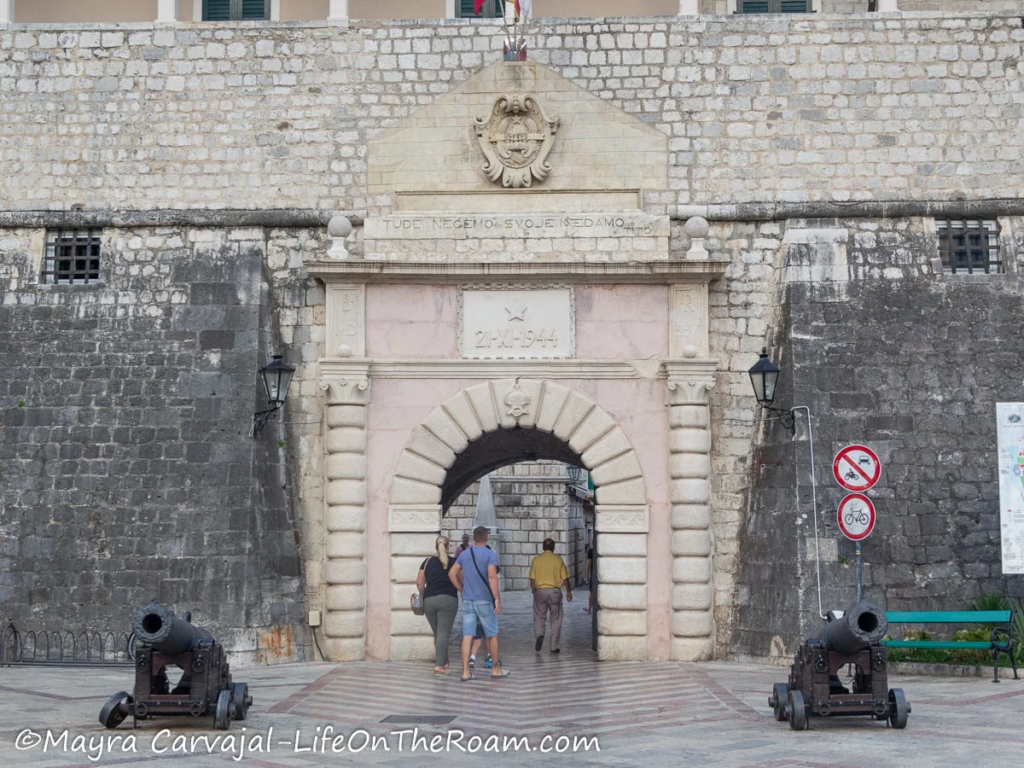
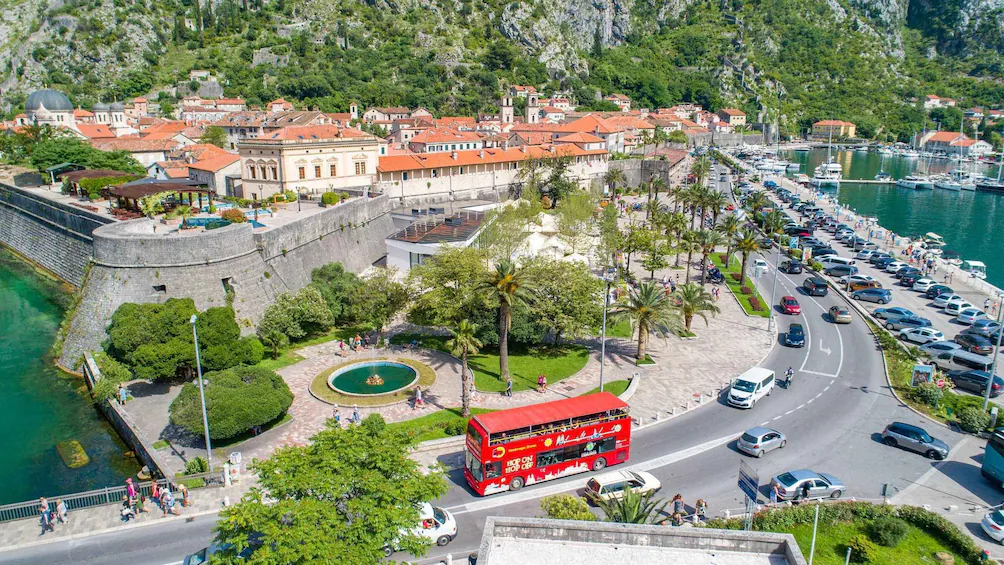
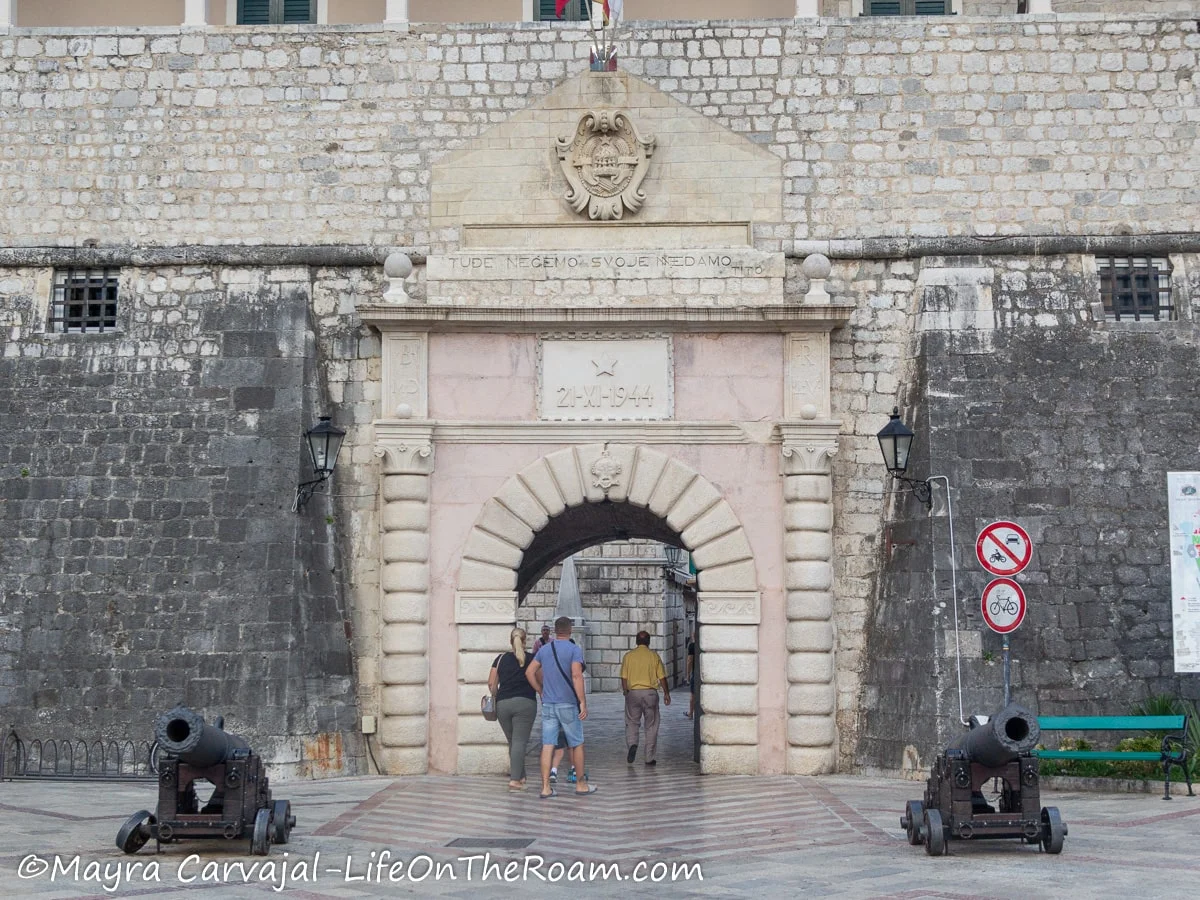
Since it’s located on the main road and close to the cruise ship port, the Sea Gate is the busiest. Two cannons (usually crowned by a cat or two) sit on both sides of a stone arch with a quote from Tito, the former Yugoslavia’s leader, reading: “We don’t want others’, we don’t give our own”, and a plaque marking the date his army freed Kotor from the Nazi occupation: November 21st, 1944.
The gate’s history goes way back to the 16th century. Inside the gate there’s some sort of an altar with three stone reliefs from the Venetian period: Madonna and Child sitting on a throne in the centre, St. Tryphon -patron of Kotor- on the left, and St. Bernard on the right.
You’ll also have a good appreciation of how thick the wall is in this section.